Memory · Brain Health · Video Presentation
The “13-Second” Cinnamon & Honey Memory Trick? The Viral Video Makes a Bold Claim About Brain Fog
A video links a quick cinnamon-and-honey ritual to memory, cadmium, and a surprising story from Ikaria. Watch the full presentation to hear the theory and see the protocol it promotes—then decide what stands up to scrutiny.
Sponsored video presentation · Summary based on the supplied transcript
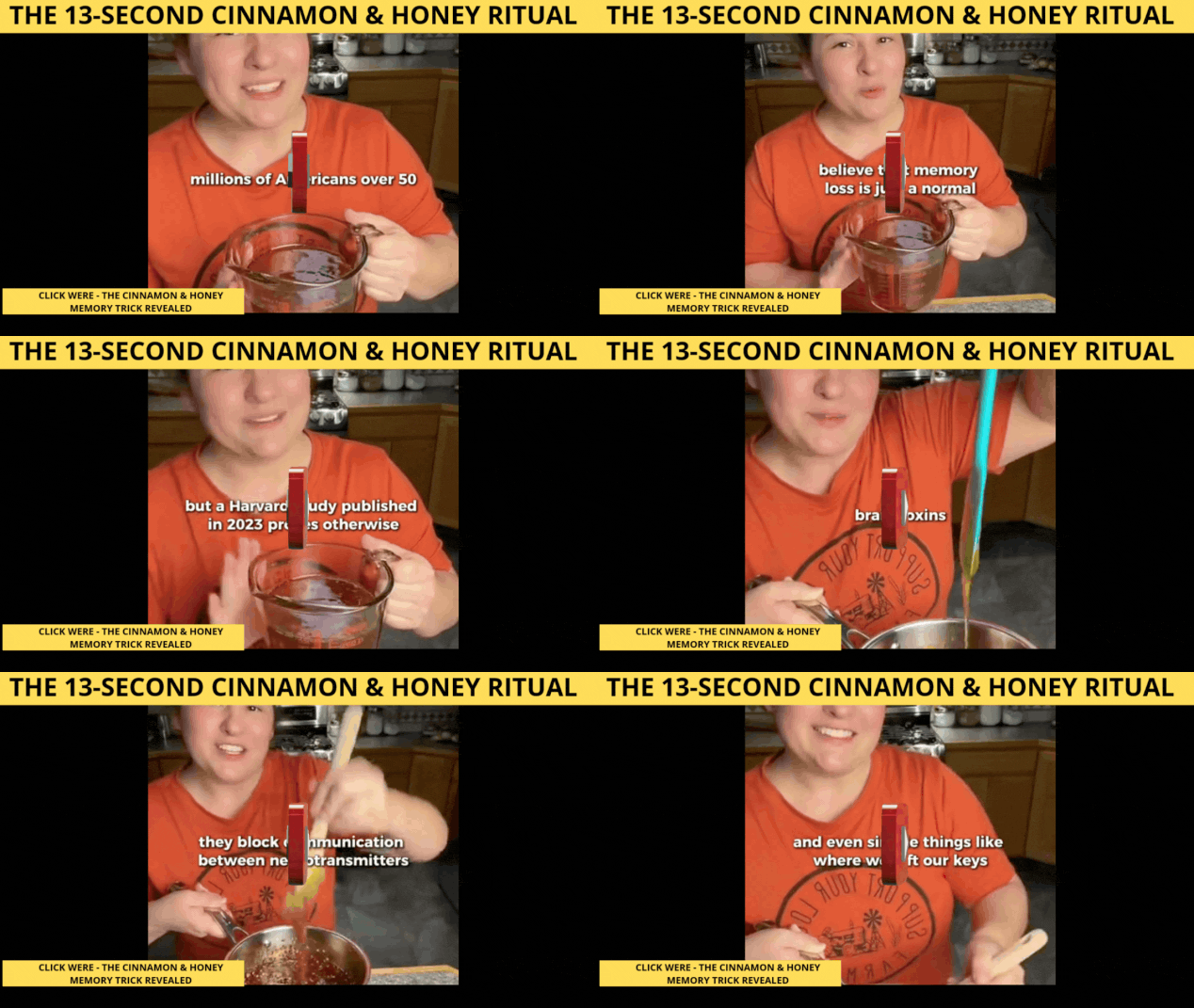
Animated GIF preview.
What if a familiar kitchen combination had a story you had never heard? The video opens with a personal account of memory worries, then introduces a 13-second cinnamon-and-honey ritual and a theory linking brain fog to cadmium exposure.
From there, it takes viewers to Ikaria, where the script describes a traditional honey, and introduces lithium orotate as part of the protocol it promotes. It presents these ideas as a possible explanation for memory concerns—but the transcript does not provide independently verifiable clinical evidence that the ingredients prevent or reverse Alzheimer’s.
If you want to know exactly how the presentation builds its case, watch the full video. It moves from the personal story to its claims about cadmium, brain energy, the Ikaria research narrative, and the proposed routine. The transcript provided here ends before the full product offer or complete instructions.
What the Presentation Says It Will Cover
- The video’s proposed link between memory concerns, brain fog, and cadmium
- Its story about cinnamon, honey, and the Greek island of Ikaria
- Why the script introduces lithium orotate as part of its protocol
- The claims and personal stories used to make its case
The supplied transcript also refers to public figures, media coverage, universities, and research findings. Those references and endorsements are not independently verified on this page. The script’s reported results should be understood as claims made in the presentation, not as established outcomes.
Memory changes can have many possible causes. A qualified healthcare professional can help assess them. Do not stop, replace, or change prescribed treatment based on a video or supplement promotion.
Before You Make a Health Decision
The National Institute on Aging says no vitamin or supplement has been proven to prevent Alzheimer’s in people, and there are currently no known interventions that cure Alzheimer’s.
Watch the presentation for its claims, not as a substitute for medical advice. Talk with a healthcare professional before trying a supplement, especially if you take medication or have a health condition.
This content is for informational purposes only and does not constitute medical advice. It does not diagnose, treat, cure, or prevent any disease. Consult a qualified healthcare professional about memory changes, medications, and supplements. Never change or discontinue a treatment without your doctor’s guidance.